Manta ray
Mobula birostris
Cephalic lobes unfurl like funnels, guiding plankton-rich water toward the mouth.
Field photographPreparing the field archive
Pelagic
Atlas
A photographic ocean field guide
Surface / 0 mScroll through a real-world image archive. Ten marine creatures appear as light thins, color fades, and the ocean opens beneath you.
Mobula birostris
Cephalic lobes unfurl like funnels, guiding plankton-rich water toward the mouth.
Field photograph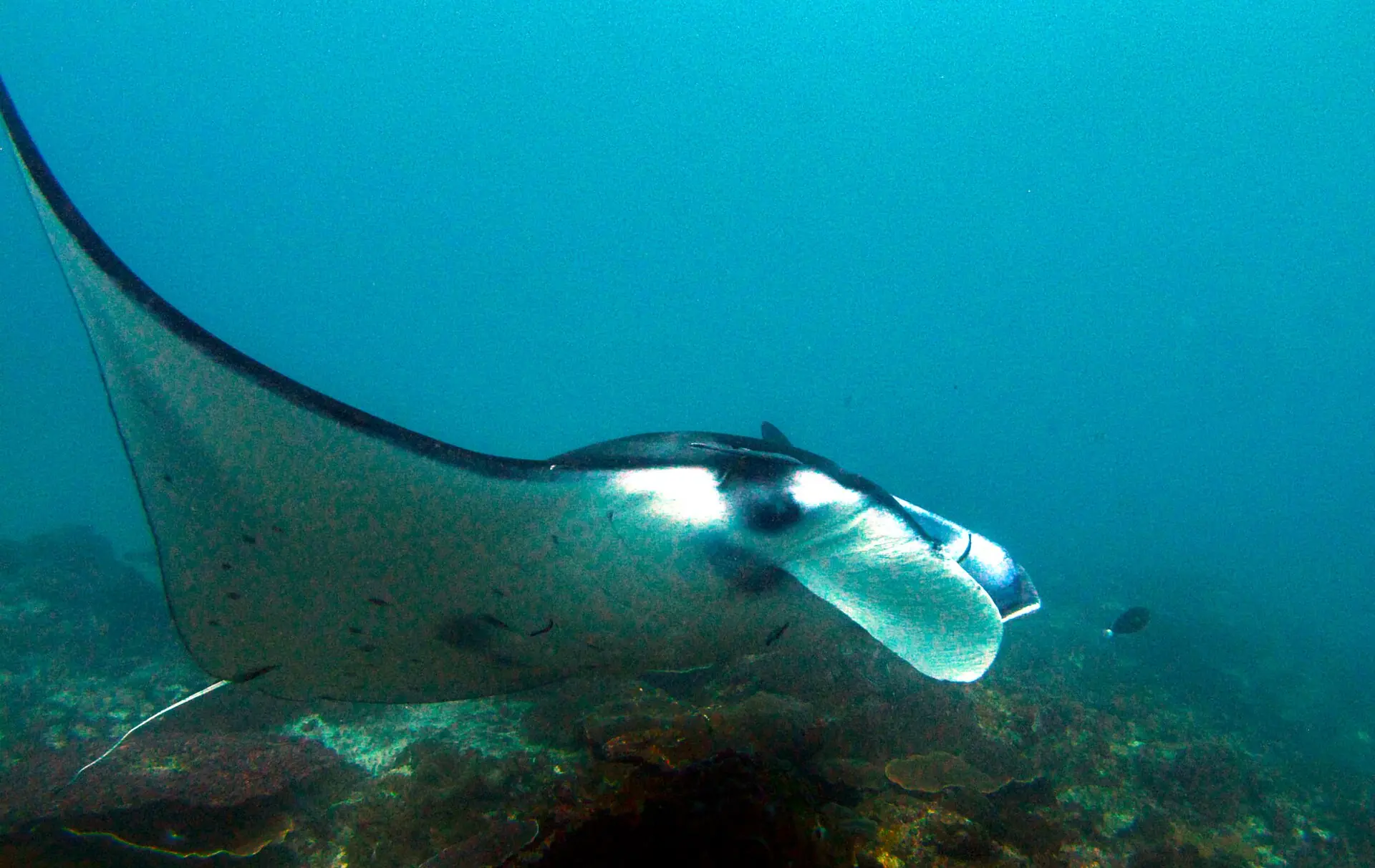
Chelonia mydas
At rest, a green turtle can slow its heartbeat and remain submerged for hours.
Field photograph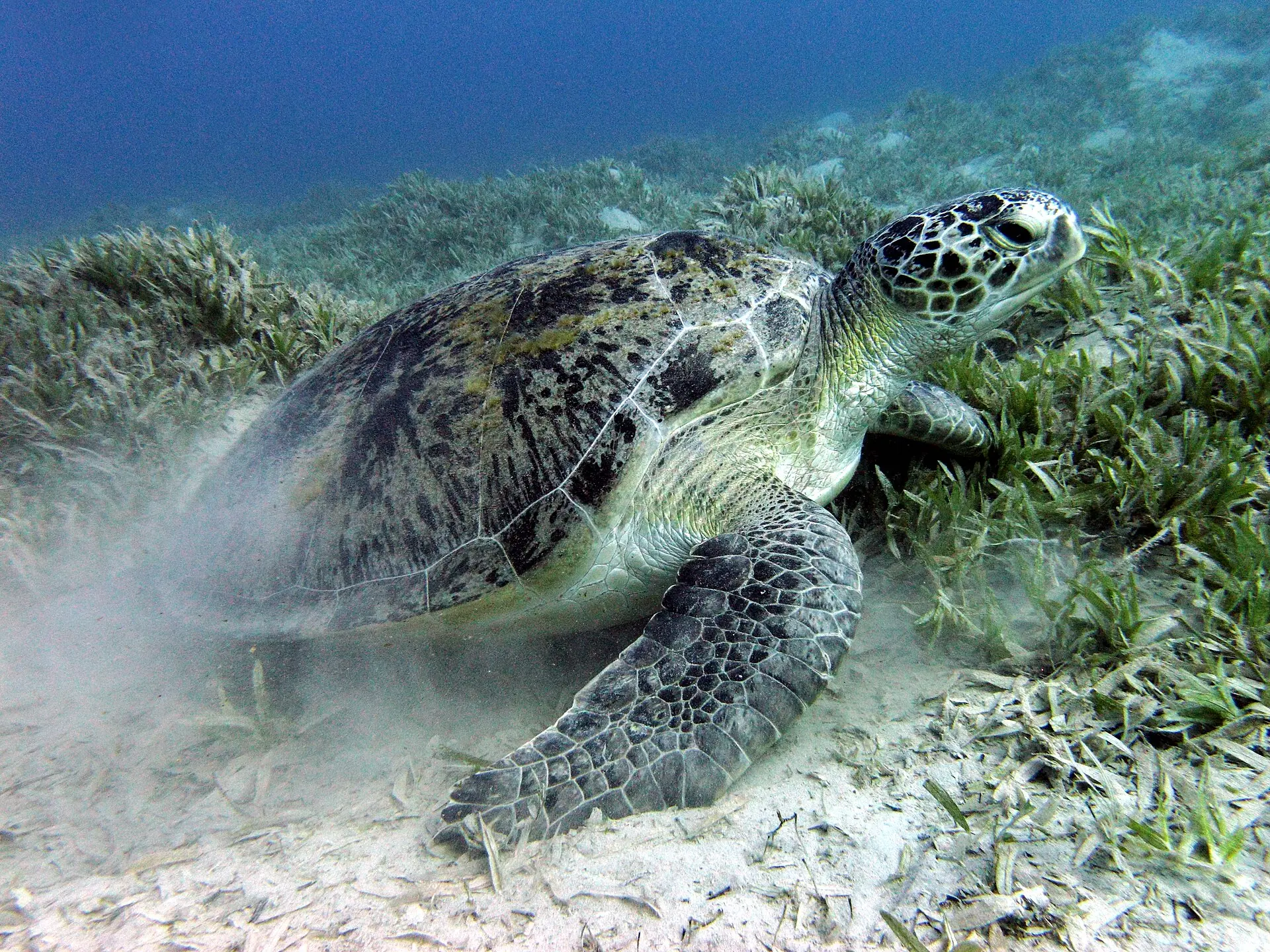
Carcharhinus melanopterus
Pores around the snout detect the tiny electrical fields produced by living muscle.
Field photograph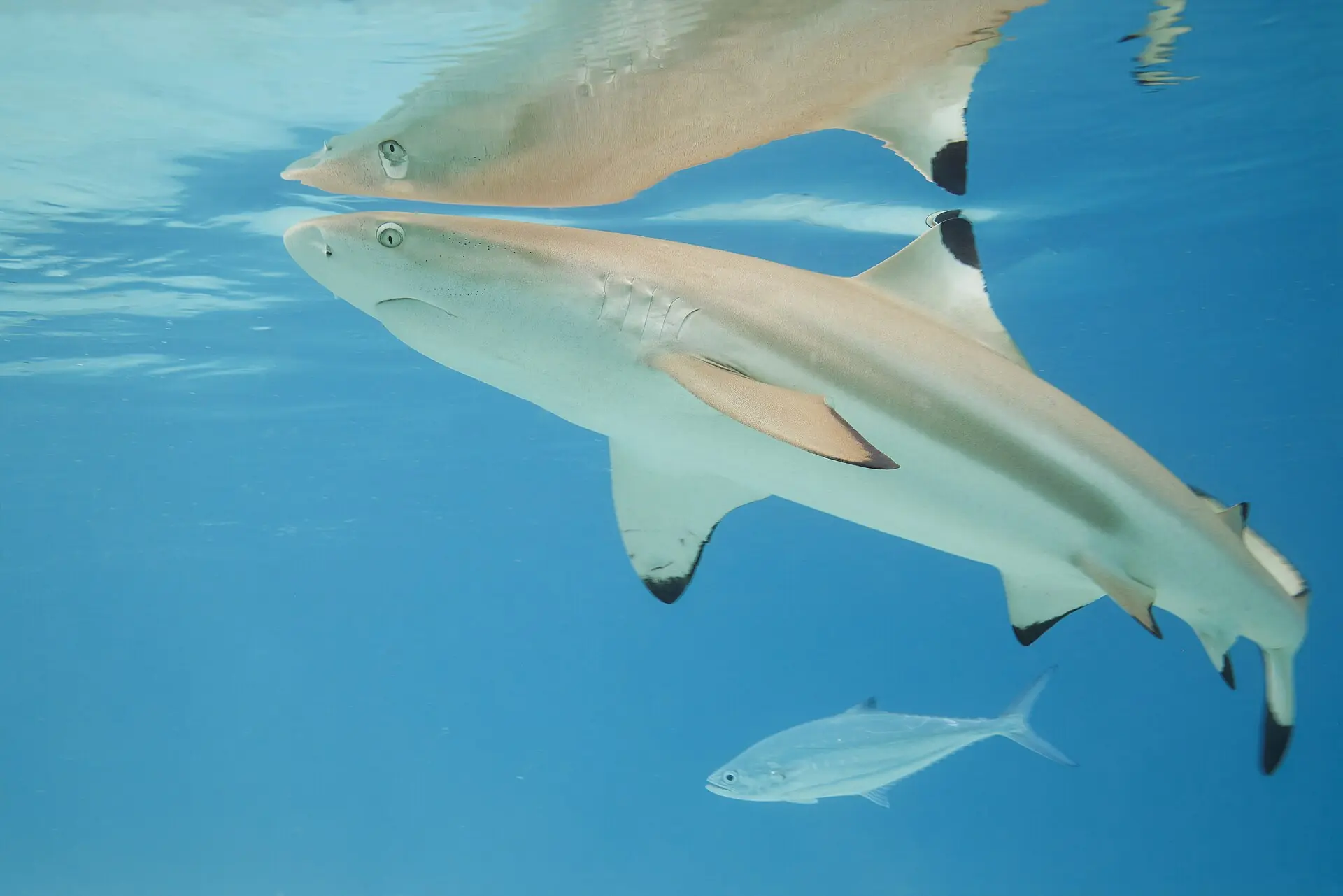
Scyphozoa
No heart, brain, or bones—just a nerve net reading currents, light, and touch.
Field photograph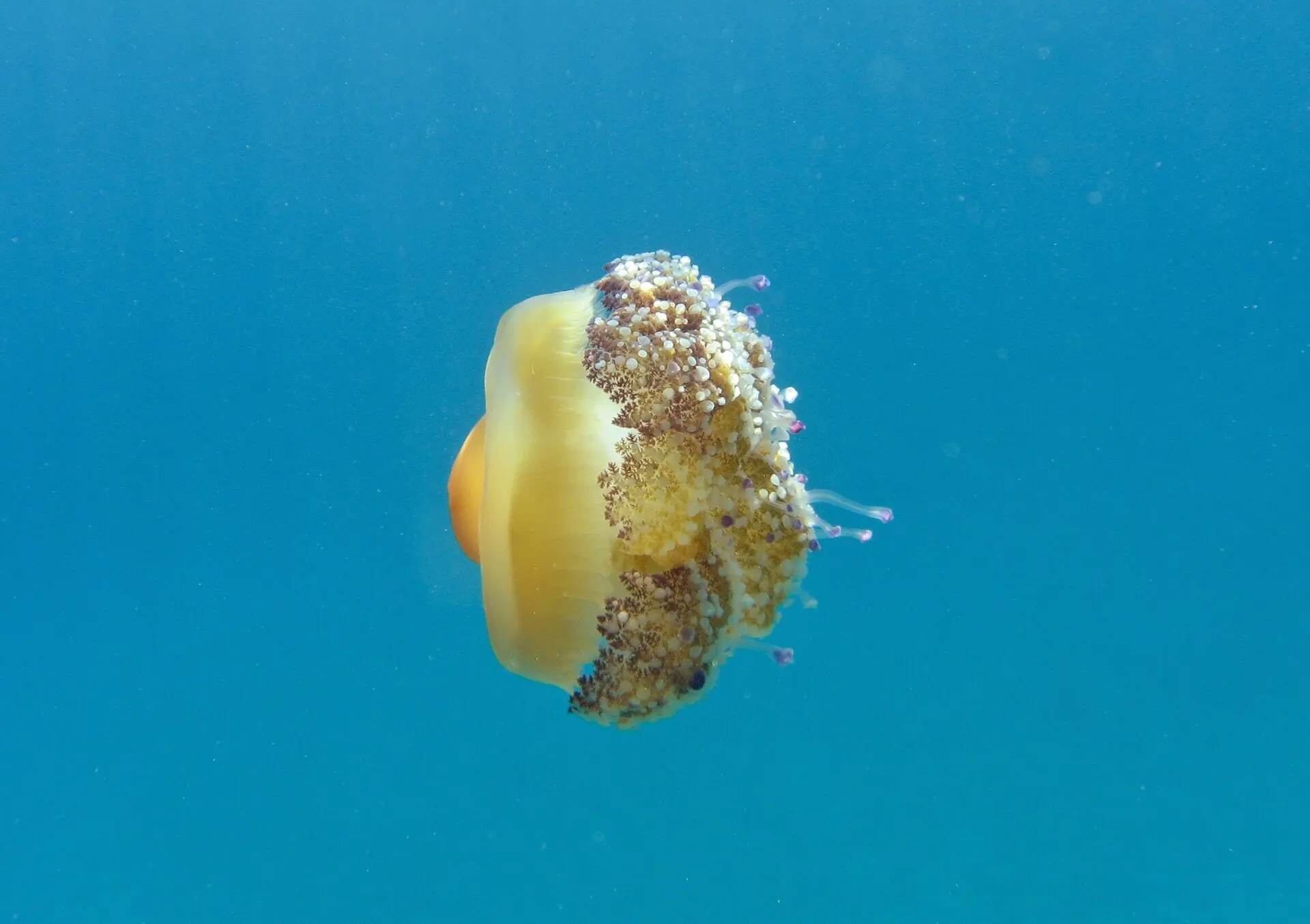
A drifting community
Microscopic phytoplankton collectively produce about half of Earth’s oxygen.
Microscope photograph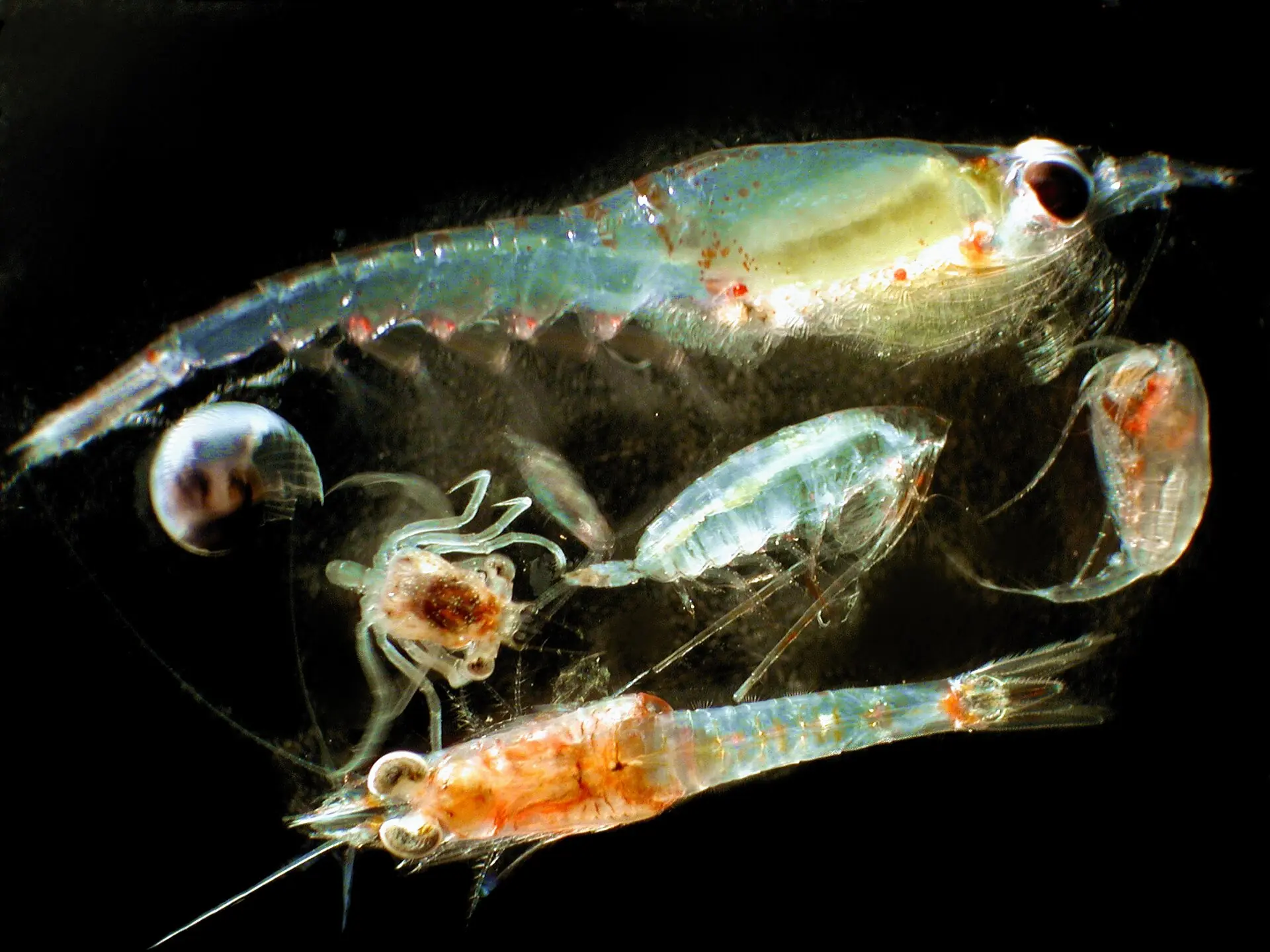
Anthozoa
A coral head is a city of tiny polyps, each building onto a shared limestone skeleton.
Field photograph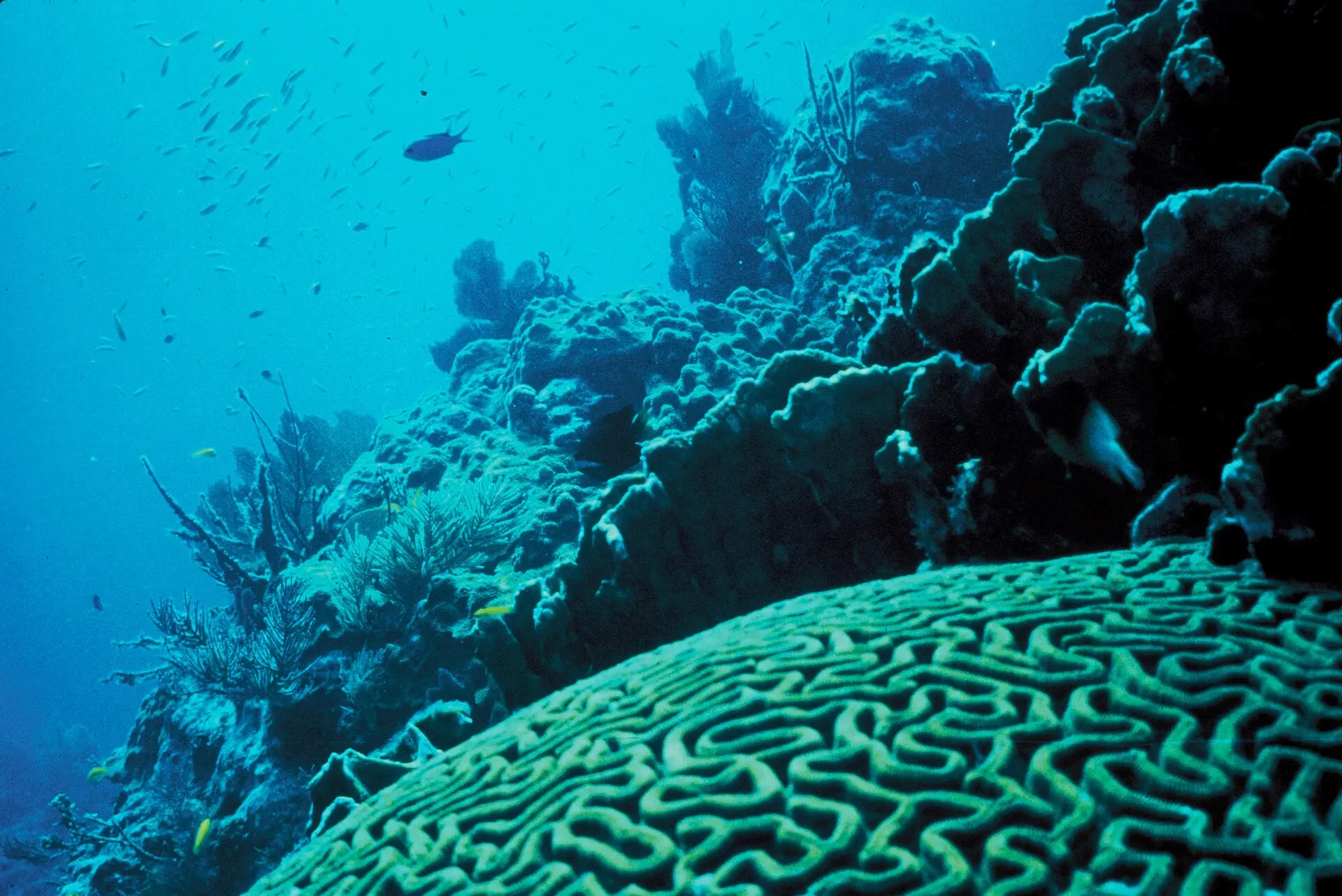
Asteroidea
Hundreds of tube feet move by hydraulic pressure, gripping rock with remarkable force.
Field photograph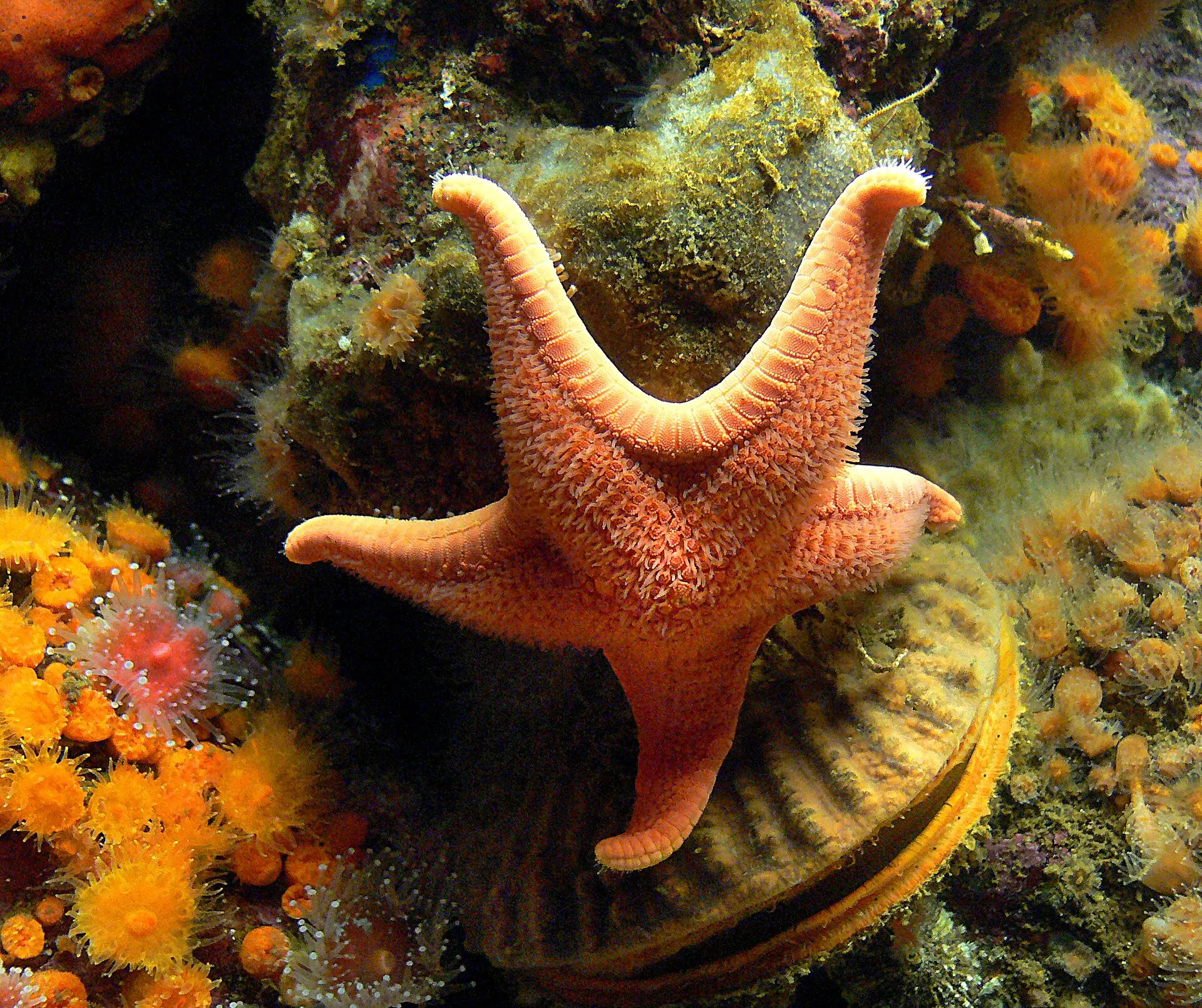
Hippocampus
The male receives the eggs, carries the embryos, and releases fully formed young.
Field photograph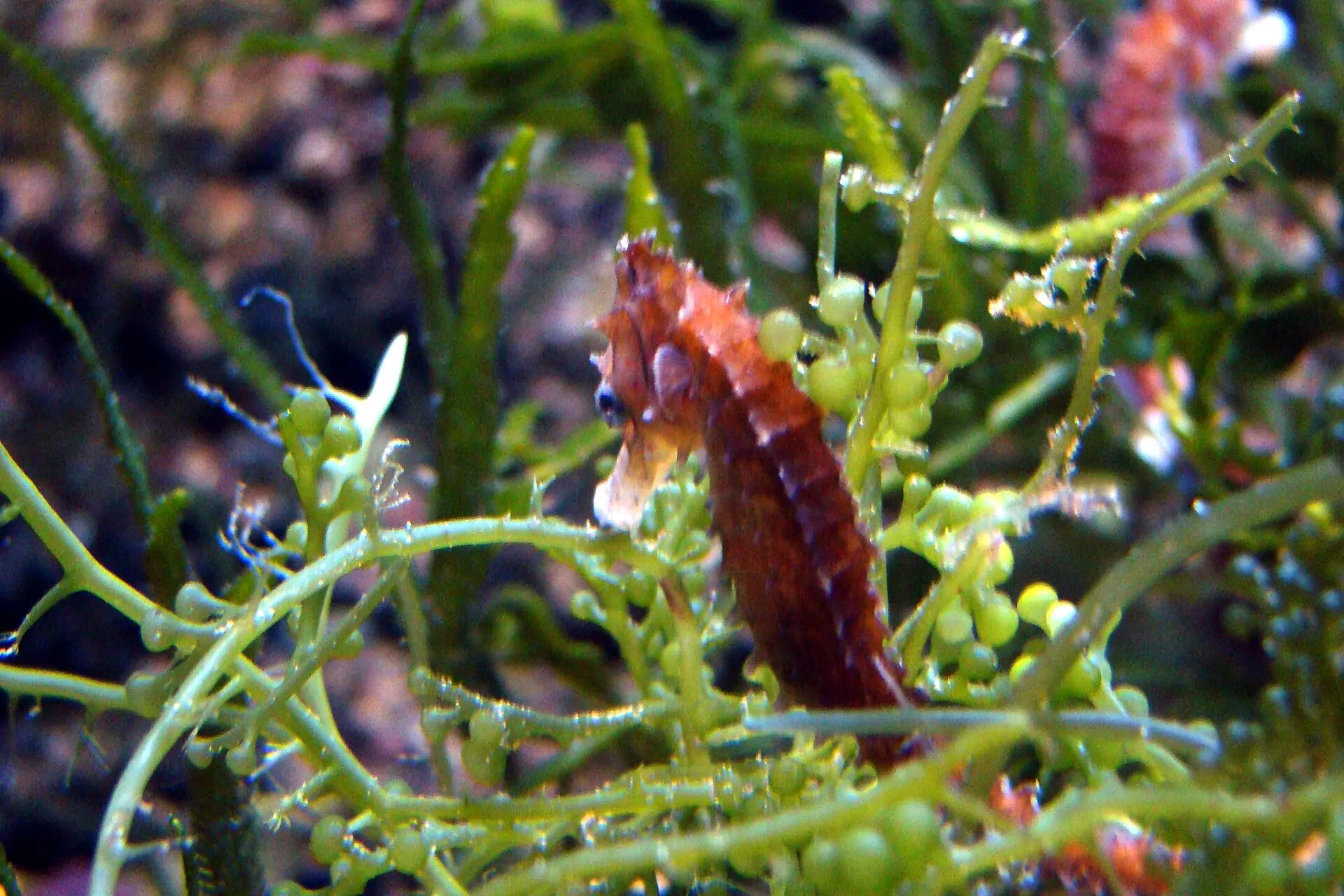
Octopus vulgaris
Three hearts circulate blue, copper-rich blood through a body built to explore.
Field photograph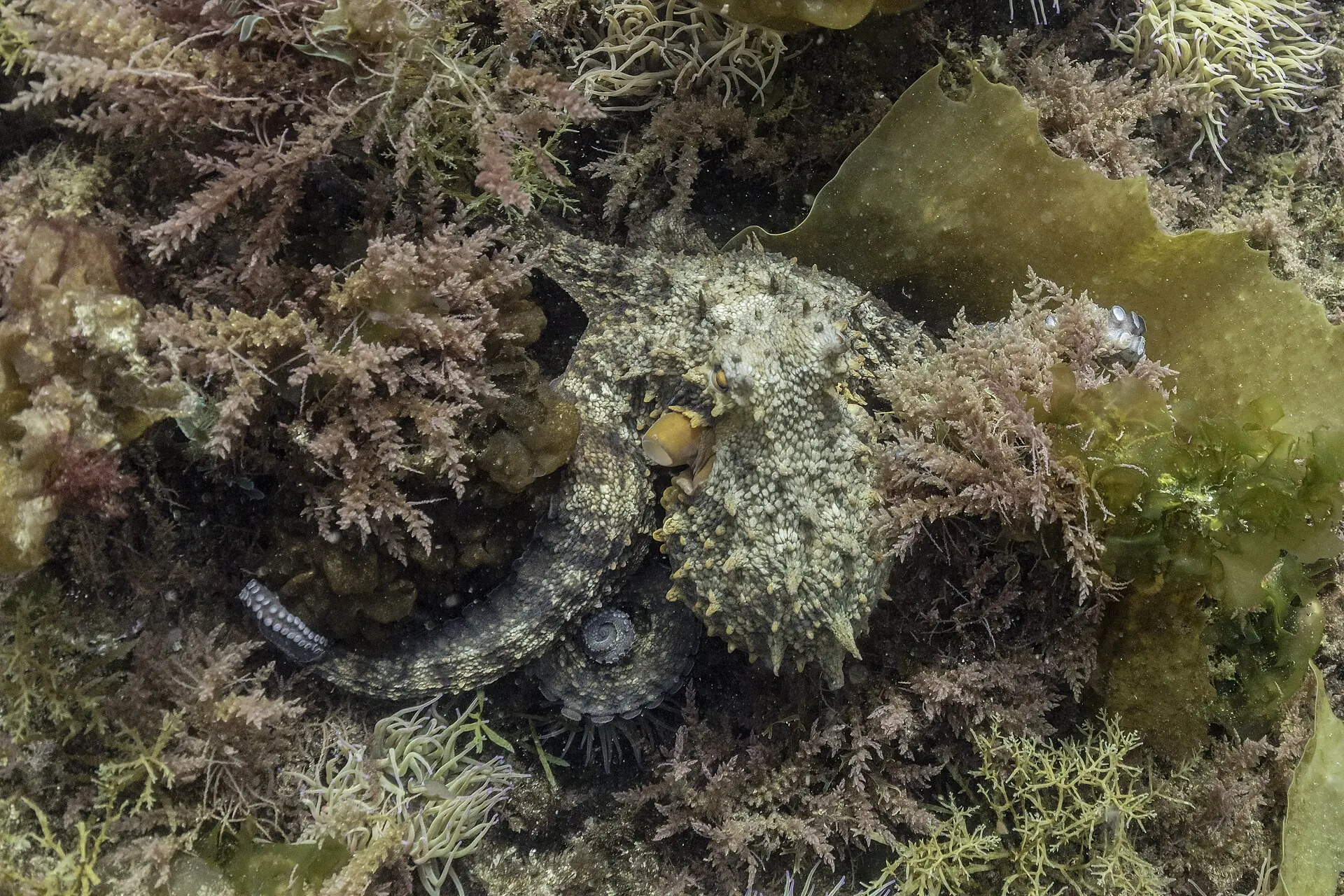
Balaenoptera musculus
The largest animal known to have lived moves through the ocean on a diet of krill.
Field photograph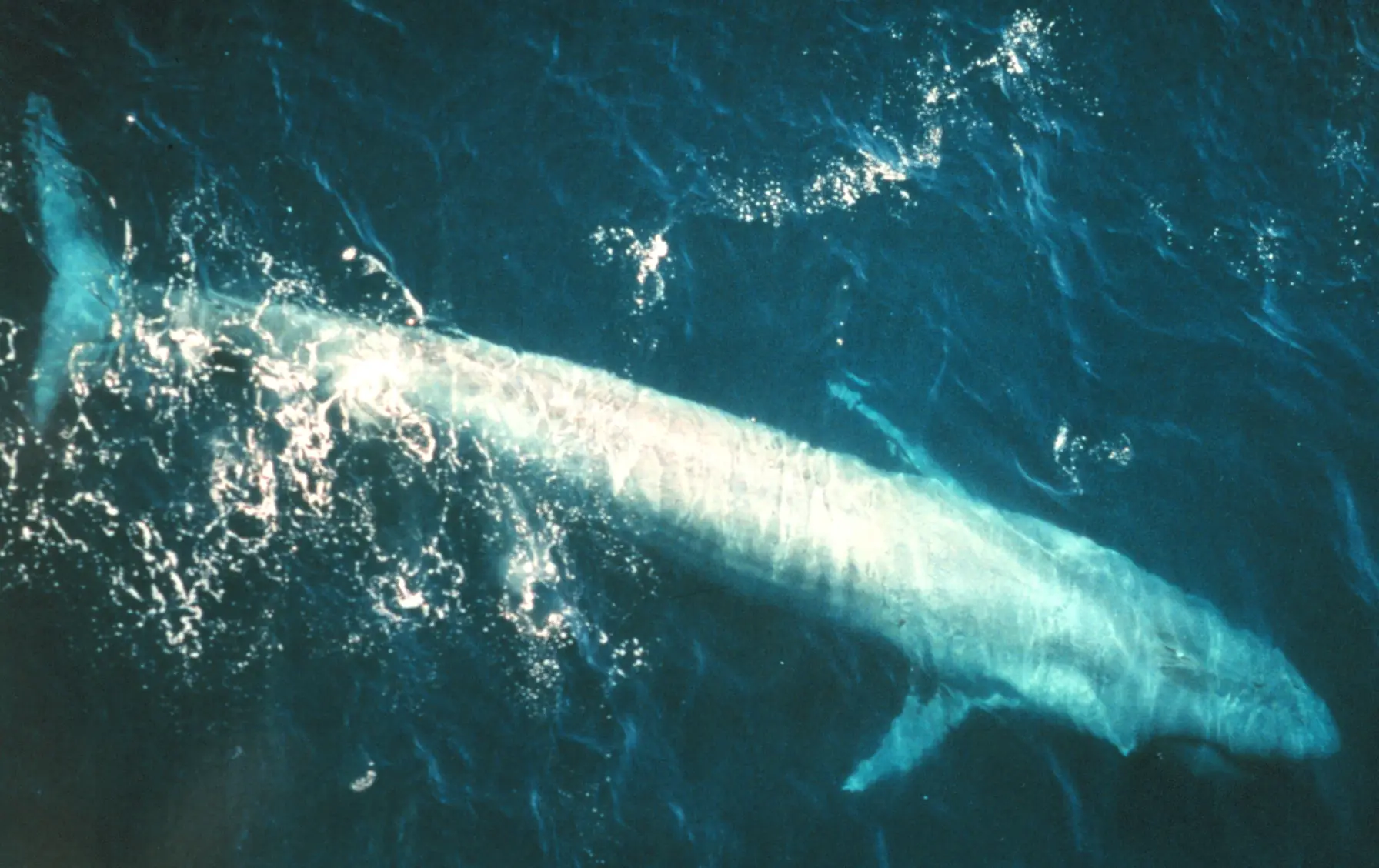
The water column continues
Most of the ocean has never been seen directly. Every descent reveals how much of our own planet remains unfamiliar.
Return to sunlight